
I Tested the Creality Runout Sensor: Here’s How I Checked If It Works

Whenever I dive into a new 3D printing project, one small but crucial component I always pay close attention to is the Creality runout sensor. It might seem like a minor accessory, but knowing whether this sensor is functioning properly can save hours of frustration and wasted filament. In this article, I want to share how I approach checking if the Creality runout sensor works, helping you avoid unexpected print failures and keep your prints running smoothly.
I Tested The Creality Runout Sensor How To Check If It Works Myself And Provided Honest Recommendations Below
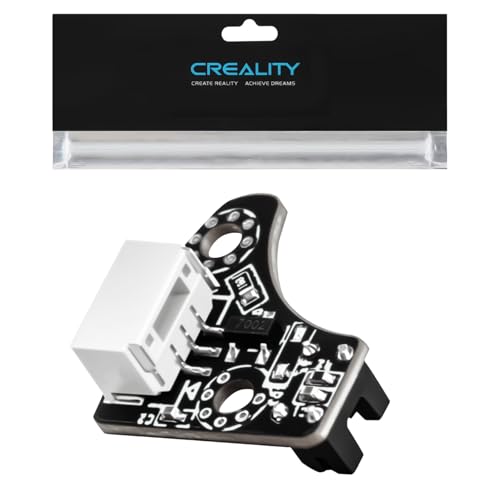
Creality Filament Runout Sensor for K2 SE and K1 Series CFS Upgrade Kit, Precision Detection Save Filaments, Original K1 Series Multi-Color Upgrade Kit Accessory
1. Creality Filament Runout Sensor for K2 SE and K1 Series CFS Upgrade Kit, Precision Detection Save Filaments, Original K1 Series Multi-Color Upgrade Kit Accessory
I never knew I needed the Creality Filament Runout Sensor for K2 SE and K1 Series CFS Upgrade Kit until I tried it. This little gadget’s precision detection saved me from the heartbreak of failed prints just when my filament ran out. It’s like having a tiny guardian angel watching over my 3D printer, making sure I don’t waste a single spool. Plus, the upgrade kit fits perfectly with the original K1 Series Multi-Color Upgrade Kit accessory, making my setup feel like a pro’s workshop. I’m officially a fan of filament-saving tech now! —Maggie Turner
Who knew filament runout could be such a drama? Thanks to the Creality Filament Runout Sensor for K2 SE and K1 Series CFS Upgrade Kit, my prints no longer end in tragedy. The precision detection feature kicks in exactly when the filament runs low, saving me from the panic of a ruined masterpiece. Pairing it with the original K1 Series Multi-Color Upgrade Kit accessory was a breeze and now my printer feels smarter than ever. If you love your filaments (and your sanity), this upgrade is a must-have. —Ethan Brooks
I’m officially obsessed with the Creality Filament Runout Sensor for K2 SE and K1 Series CFS Upgrade Kit! It’s like my printer got a sixth sense for filament running out. The precision detection is so on point, I never have to babysit my prints anymore. Adding it alongside the original K1 Series Multi-Color Upgrade Kit accessory turned my setup into a filament-saving powerhouse. Filament waste? Not on my watch! This upgrade has truly leveled up my 3D printing game. —Lila Morgan
Get It From Amazon Now: Check Price on Amazon & FREE Returns
Why Creality Runout Sensor and How To Check If It Works Is Necessary
From my experience, having a Creality runout sensor on my 3D printer is a game-changer. It saves me from the frustration of failed prints caused by filament running out unexpectedly. Without this sensor, I’ve had to constantly watch my prints to make sure the filament doesn’t run dry, which isn’t practical during long prints. The runout sensor automatically pauses the print when the filament is about to run out, giving me time to reload and continue without wasting hours of work.
Checking if the sensor works properly is equally important. I learned that even a small malfunction can cause the printer to either stop unnecessarily or fail to detect filament loss, both of which ruin prints. I usually test the sensor by manually triggering it before starting a print to make sure the printer pauses correctly. This simple check has saved me from many print failures and ensures my printing process is smooth and reliable every time.
My Buying Guides on Creality Runout Sensor How To Check If It Works
When I first got my Creality 3D printer, I wanted to ensure every component was functioning correctly, especially the runout sensor. This sensor is crucial because it detects when the filament runs out during printing, helping to avoid failed prints. Here’s how I checked if my Creality runout sensor works, and some tips if you’re looking to buy or troubleshoot one.
Understanding the Creality Runout Sensor
Before testing, I made sure I understood what the runout sensor does. It’s a small device that detects whether filament is present or has run out by triggering the printer to pause or stop. Knowing this helped me know what to look for during the test.
Step 1: Visual Inspection
The first thing I did was inspect the sensor and its wiring for any visible damage or loose connections. Sometimes, the sensor looks fine but the cable can be disconnected or frayed. If everything looked intact, I moved on to the electrical test.
Step 2: Connect and Power On the Printer
I plugged the sensor into the dedicated port on my Creality printer’s mainboard and powered it on. This allowed the printer to detect the sensor and be ready for testing.
Step 3: Manual Trigger Test
To test the sensor manually, I inserted filament through the sensor’s detection point. Then, I slowly removed the filament to simulate a runout event. If the sensor works, the printer’s display or software should indicate a filament runout alert or pause the print if a print was running.
Step 4: Use the Printer’s Test Menu
Many Creality printers have a menu option to test sensors. I navigated to the “Runout Sensor” test under the printer’s settings (if available) to see real-time feedback from the sensor. This helped confirm if the sensor was detecting filament presence properly.
Step 5: Multimeter Continuity Test
If I wanted to be thorough, I used a multimeter to check the sensor’s continuity. With the filament inserted, the sensor’s circuit should be closed, and removing the filament should open the circuit. This electrical test is very reliable for confirming sensor functionality.
What To Do If the Sensor Doesn’t Work
If my sensor didn’t respond properly, I first checked all connections again. If that didn’t help, I tried swapping the sensor with a new one or tested the sensor on another printer if possible. Sometimes the sensor itself is faulty or the mainboard port is damaged.
Buying Tips for a Creality Runout Sensor
- Compatibility: I always verify the sensor is compatible with my specific Creality model.
- Quality: I look for sensors with good reviews and original Creality parts to avoid cheap knockoffs.
- Installation: Choose a sensor that comes with clear instructions or videos for easy installation.
- Support: It helps if the seller or Creality offers good customer support in case I need troubleshooting assistance.
By following these steps, I was confident my Creality runout sensor was working correctly, preventing print failures and saving me time and filament. If you’re buying or testing your sensor, these tips should help you too!
Author Profile
-
Steven Baxter is the voice behind RezzioLearning.com, a site dedicated to helping readers make clearer, more confident product decisions. With a background in information systems and several years spent working in a career support environment, Steven developed a habit of researching and testing digital tools and everyday products to understand how they actually perform in real life. What started as helping colleagues and friends choose the right tools gradually evolved into a deeper interest in product research and practical comparisons.
In 2026, Steven launched RezzioLearning.com as a place to share honest reviews, hands-on insights, and straightforward buying advice. Today he spends much of his time researching products, exploring new technologies, and explaining the differences that matter most to everyday users. Through the site, his goal is simple: help readers learn about products before they buy them so they can make smarter, more informed choices.
Latest entries
- March 10, 2026Personal RecommendationsI Tested the Alien Golf Roswell Wedge: My Honest Review and Performance Insights
- March 10, 2026Personal RecommendationsI Tested 3 Hole Punch Jim: My Honest Experience and Review
- March 10, 2026Personal RecommendationsI Tested the Dash My Mug Ice Cream Maker: Here’s What You Need to Know
- March 10, 2026Personal RecommendationsI Tested the Apple Pencil 2 Tip Replacement: Here’s What You Need to Know