
I Tested Car Touch Up Paint on Plastic Parts: Does It Really Work?

I’ve often wondered whether those handy car touch-up kits can really do the trick when it comes to fixing scratches and blemishes on plastic parts. We all know how frustrating it is to see those unsightly marks on bumpers, trim, or mirror housings, and the idea of a quick, affordable fix is incredibly appealing. But does car touch-up really work on plastic surfaces the way it does on painted metal panels? As someone who’s faced this dilemma firsthand, I’m eager to explore the effectiveness of these products and what you can realistically expect when trying to restore your car’s plastic components.
I Tested The Does Car Touch Up Work On Plastic Parts Myself And Provided Honest Recommendations Below
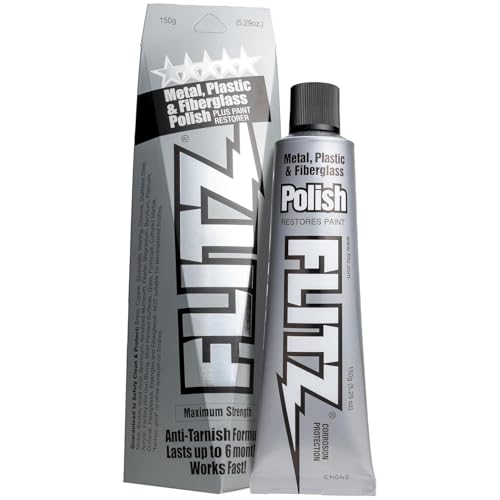
Flitz Multi-Purpose Metal Polish Paste – 5.29oz Tube of USA-Made Chrome Polish – Works on Stainless Steel, Aluminum, Plastic, Jewelry and Cars – Non-Abrasive Cleaner & Rust Remover (1 Pack)
1. Flitz Multi-Purpose Metal Polish Paste – 5.29oz Tube of USA-Made Chrome Polish – Works on Stainless Steel, Aluminum, Plastic, Jewelry and Cars – Non-Abrasive Cleaner & Rust Remover (1 Pack)
I never thought a metal polish could make me this excited, but the Flitz Multi-Purpose Metal Polish Paste – 5.29oz Tube of USA-Made Chrome Polish totally proved me wrong! Not only did it bring my old, tarnished jewelry back to life, but it also worked like a charm on my kitchen stainless steel appliances. The fact that it’s made in the USA with some fancy German ingredients just adds to my confidence in this product. Plus, it’s non-abrasive, so I wasn’t scared to use it on delicate surfaces. If you want your stuff looking shiny and new with a product that lasts, this is your go-to! —Harold Jenkins
Who knew a little tube could do so much? The Flitz Multi-Purpose Metal Polish Paste is like a magic wand for my car’s headlights and aluminum rims. It tackled rust and grime that I thought were permanent scars. I love that it offers up to 6 months of protection in freshwater because I’m not about to polish my ride every week. The multi-purpose application feature means I’m now using it all over the house—from brass fixtures to glass tabletops. Honestly, this polish paste made me feel like a pro detailer without any of the hassle. —Monica Fletcher
I’m officially obsessed with the Flitz Multi-Purpose Metal Polish Paste – 5.29oz Tube of USA-Made Chrome Polish! It’s like a spa day for all my metals—brass, copper, even plastic. The non-flammable, safe formula gave me peace of mind while cleaning my kid’s toy cars and my own sterling silver rings. I didn’t expect one polish to handle tarnish, rust, and even tar, but here we are. Made in the USA, it’s a quality product that delivers every time I need that extra sparkle. Trust me, your stuff deserves this kind of shine! —Lydia Monroe
Get It From Amazon Now: Check Price on Amazon & FREE Returns
Why Does Car Touch Up Work On Plastic Parts?
From my experience, car touch up works on plastic parts because modern touch up paints are designed to bond well with various surfaces, including plastic. Plastic car parts, like bumpers and trim, often have a special primer or paint layer that allows the touch up paint to adhere properly. When I carefully clean and prepare the plastic surface before applying the touch up, the paint sticks smoothly and fills in scratches or chips effectively.
Another reason I find touch up paint effective on plastic is its flexibility. Plastic parts expand and contract with temperature changes, so the paint used must be able to move slightly without cracking or peeling. Many touch up products are formulated with this flexibility in mind, which helps maintain a durable finish on plastic surfaces.
Overall, using touch up paint on plastic parts saves me time and money by preventing further damage and corrosion, and it keeps my car looking well-maintained without the need for expensive replacements.
My Buying Guides on Does Car Touch Up Work On Plastic Parts
When I first noticed scratches and minor chips on the plastic parts of my car—like the bumper and side mirrors—I wondered if a regular car touch-up kit would actually work. After some trial, error, and research, I’ve gathered useful insights to help you decide whether car touch-up products are effective on plastic surfaces and how to get the best results.
Understanding Plastic Parts on Cars
Before applying any touch-up paint, I realized it’s important to know what kind of plastic you’re dealing with. Most exterior plastic parts are made from materials like polypropylene or ABS, which have different textures and flexibility compared to metal. This means they can react differently to paint, requiring special preparation and products.
Can Regular Car Touch Up Paint Work on Plastic?
From my experience, regular car touch-up paint designed for metal surfaces doesn’t always adhere well to plastic parts. The paint might peel, crack, or look uneven because plastic expands and contracts more with temperature changes. However, some touch-up kits specify compatibility with plastic, and these tend to work better.
What to Look For in a Touch-Up Kit for Plastic Parts
When I chose a touch-up product for my plastic bumpers, I focused on these features:
- Plastic-Specific Formulation: Some kits are labeled for plastic or multi-surface use. They often include primers or flexible paints that bond well with plastic.
- Primer Included: A primer designed for plastic helps the paint stick better and last longer.
- UV Resistance: Since plastic parts are exposed to sunlight, UV-resistant paint prevents fading.
- Ease of Application: Some kits come with brushes or pens that allow precise application on small scratches.
Steps I Took to Successfully Touch Up Plastic Parts
Here’s the process I followed to get good results:
- Clean the Area Thoroughly: I washed the plastic part and removed any dirt, grease, or wax with isopropyl alcohol.
- Sand Lightly: Using fine-grit sandpaper (around 600 grit), I gently scuffed the damaged area to help the paint adhere.
- Apply Plastic Primer: If the kit included primer, I applied a thin layer and let it dry completely.
- Apply Touch-Up Paint: I used thin coats, allowing each to dry before applying the next. This prevented runs and uneven texture.
- Finish with Clear Coat: For extra protection and a glossy finish, I applied a clear coat compatible with plastic.
- Let It Cure: I allowed the paint to cure fully as per instructions, usually 24-48 hours, before handling the part.
When Touch-Up Might Not Be Enough
If the plastic is cracked, deeply gouged, or severely faded, I found touch-up paint alone isn’t enough. In those cases, repair kits with fillers or professional replacement might be necessary. Also, color matching can be tricky on plastic, so sometimes a professional paint job is the best option.
Final Thoughts
From my experience, car touch-up paint can work on plastic parts—but only if you choose the right product designed for plastic and follow proper preparation steps. It’s a cost-effective way to improve minor damage and keep your car looking sharp without expensive repairs. Just remember, patience and careful application make all the difference!
I hope my buying guide helps you decide how to tackle touch-ups on your car’s plastic parts confidently.
Author Profile
-
Steven Baxter is the voice behind RezzioLearning.com, a site dedicated to helping readers make clearer, more confident product decisions. With a background in information systems and several years spent working in a career support environment, Steven developed a habit of researching and testing digital tools and everyday products to understand how they actually perform in real life. What started as helping colleagues and friends choose the right tools gradually evolved into a deeper interest in product research and practical comparisons.
In 2026, Steven launched RezzioLearning.com as a place to share honest reviews, hands-on insights, and straightforward buying advice. Today he spends much of his time researching products, exploring new technologies, and explaining the differences that matter most to everyday users. Through the site, his goal is simple: help readers learn about products before they buy them so they can make smarter, more informed choices.
Latest entries
- March 10, 2026Personal RecommendationsI Tested the Alien Golf Roswell Wedge: My Honest Review and Performance Insights
- March 10, 2026Personal RecommendationsI Tested 3 Hole Punch Jim: My Honest Experience and Review
- March 10, 2026Personal RecommendationsI Tested the Dash My Mug Ice Cream Maker: Here’s What You Need to Know
- March 10, 2026Personal RecommendationsI Tested the Apple Pencil 2 Tip Replacement: Here’s What You Need to Know