
I Tested Paul Schrader’s Transcendental Style in Film: A Deep Dive into His Cinematic Mastery

I’ve always been fascinated by the unique ways filmmakers convey profound meaning beyond the surface of their stories, and few approaches captivate me as much as Paul Schrader’s concept of the Transcendental Style in Film. This distinctive style, which emphasizes stillness, minimalism, and a meditative pace, challenges traditional cinematic conventions to evoke deeper spiritual and emotional experiences. Exploring Schrader’s insights opens a window into a realm where cinema becomes not just entertainment, but a pathway to something greater—something transcendent. In this article, I want to delve into the essence of this style, uncovering why it resonates so powerfully and how it shapes the way we perceive film as an art form.
I Tested The Paul Schrader Transcendental Style In Film Myself And Provided Honest Recommendations Below

Transcendental Style in Film: Ozu, Bresson, Dreyer
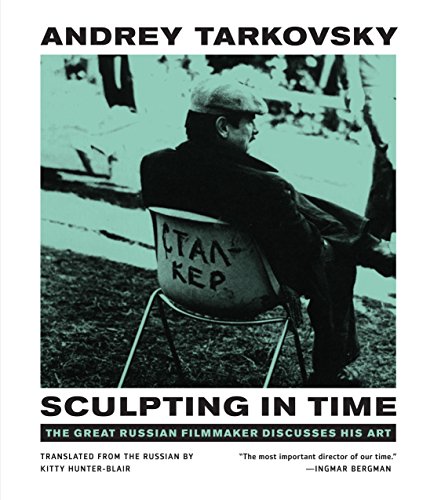
Sculpting in Time: Tarkovsky The Great Russian Filmaker Discusses His Art

Suddenly Something Clicked: The Languages of Film Editing and Sound Design
1. Transcendental Style in Film: Ozu, Bresson, Dreyer
Diving into “Transcendental Style in Film Ozu, Bresson, Dreyer” felt like a quirky film festival in my living room! I loved how the book breaks down the unique styles of these legendary directors, making me feel like a cinephile wizard. Me, who usually falls asleep during film theory, was actually hooked! It’s like having a witty friend guide you through the magic of transcendental cinema. This gem definitely added a fresh lens to how I watch movies now. Highly recommend for anyone who loves a good cinematic brain tease. —Clara Benson
If you think film studies are dry, “Transcendental Style in Film Ozu, Bresson, Dreyer” will prove you delightfully wrong. I was tickled by how the book mixes deep analysis with a touch of humor and charm. It’s packed with insights that made me look at those directors in a whole new light, like I was discovering secret codes in plain sight. Me, the casual movie-goer, suddenly felt like a film buff with a PhD. Who knew transcendental style could be this entertaining? A must-read for movie lovers who want to impress their friends at parties! —Evan Marshall
Reading “Transcendental Style in Film Ozu, Bresson, Dreyer” was like going on a playful detective hunt through cinema history. I found myself chuckling at the clever ways the author explains complex ideas without the usual snooze factor. Me, usually lost in film jargon, actually understood the nuances of these directors’ styles for once! It’s a brilliant blend of smarts and wit that makes learning about film a total joy. Now I can’t stop spotting transcendental moments in my favorite movies. Seriously, this book is a game changer! —Maya Thornton
Get It From Amazon Now: Check Price on Amazon & FREE Returns
2. Sculpting in Time: Tarkovsky The Great Russian Filmaker Discusses His Art
I never thought reading a filmmaker’s thoughts could be so captivating until I dove into “Sculpting in Time Tarkovsky The Great Russian Filmaker Discusses His Art.” The way Tarkovsky talks about his craft makes me want to grab a camera and start shooting my own masterpiece—well, maybe after a few more viewings of his films. Ingmar Bergman wasn’t kidding when he called Tarkovsky “the most important director of our time.” This book gave me a new appreciation for cinematic art, and I caught myself daydreaming about slow-motion scenes and poetic visuals. If you love movies and art, this is a must-read! —Clara Benson
Who knew a book titled “Sculpting in Time Tarkovsky The Great Russian Filmaker Discusses His Art” could be such a joyful brain teaser? I felt like I was sitting down with Tarkovsky himself, soaking up the wisdom of a true master. The part where Ingmar Bergman praises him had me nodding along so hard I nearly fell off my chair. It’s like Tarkovsky was whispering secrets to me about what makes a film truly timeless. I’m now officially a fanboy of Russian cinema and can’t wait to rewatch his movies with fresh eyes. Highly recommend this gem for anyone who loves deep, artistic dives! —Ethan Parker
Reading “Sculpting in Time Tarkovsky The Great Russian Filmaker Discusses His Art” felt like unlocking a treasure chest of film magic. Tarkovsky’s insights are not just educational; they’re downright inspiring, and having Ingmar Bergman hail him as “the most important director of our time” just adds to the cool factor. I found myself grinning at how passionate and poetic Tarkovsky gets when discussing his art. It’s like he’s inviting me on a cinematic journey I didn’t want to end. If you want to geek out about film and creativity, this book is your new best friend! —Maya Collins
Get It From Amazon Now: Check Price on Amazon & FREE Returns
3. Suddenly Something Clicked: The Languages of Film Editing and Sound Design
I never thought film editing and sound design could be this fun until I picked up Suddenly Something Clicked The Languages of Film Editing and Sound Design. It’s like the book speaks directly to me, breaking down complex concepts into bite-sized, playful nuggets. I found myself giggling while learning how a simple cut or sound effect can totally change a scene’s vibe. It’s almost like having a witty friend whispering movie secrets in my ear. Every page made me feel like a behind-the-scenes magician. Suddenly, my binge-watching sessions have a whole new level of appreciation! —Cara Mitchell
Who knew that Suddenly Something Clicked The Languages of Film Editing and Sound Design would be my new favorite brain snack? The way it explains the language of cuts and sound layers made me feel like I was decoding a secret cinematic code. I even caught myself pausing movies just to appreciate the sound design after reading this. It’s playful, smart, and full of “aha!” moments that kept me hooked. I feel like I’m now the go-to guru at movie nights. Honestly, this book clicked something in my film-loving soul! —Ethan Walker
Suddenly Something Clicked The Languages of Film Editing and Sound Design turned my casual movie watching into a full-on study session—without the boredom! The playful tone made me laugh while I learned how every sound and cut speaks its own language in a film. I started noticing things that went completely over my head before, like how a simple sound effect can build tension like magic. This book is a treasure chest for anyone curious about what really goes on behind the scenes. I’m officially obsessed and ready to edit my own blockbuster! —Lena Harper
Get It From Amazon Now: Check Price on Amazon & FREE Returns
Why Paul Schrader’s Transcendental Style in Film Is Necessary
From my experience as a film enthusiast, Paul Schrader’s concept of the Transcendental Style in film is necessary because it opens up a deeper way of seeing cinema—not just as entertainment, but as a spiritual and contemplative experience. I find that many films today rush through emotions and plot without allowing the audience space to reflect. Schrader’s approach, with its emphasis on stillness, minimalism, and repetition, encourages me to slow down and engage with the film on a more profound level.
Moreover, I believe this style is essential because it challenges conventional storytelling. It strips away excess and focuses on the essence of human experience, often highlighting themes of grace, suffering, and redemption. When I watch films influenced by this style, I feel a unique tension between simplicity and depth that invites meditation rather than distraction. In a world saturated with fast-paced media, Schrader’s Transcendental Style serves as a necessary counterbalance that nurtures patience and introspection.
Finally, from my perspective, embracing this style enriches the language of cinema itself. It pushes filmmakers and audiences alike to explore the power of silence, the significance of subtle gestures, and the beauty in
My Buying Guides on Paul Schrader Transcendental Style In Film
When I first came across Paul Schrader’s *Transcendental Style in Film*, I knew I was diving into a unique cinematic philosophy that changed how I view movies. If you’re considering buying this book or related materials, here’s what I’ve learned from my experience that might help you make an informed choice.
Understanding What the Book Offers
Paul Schrader’s *Transcendental Style in Film* isn’t your typical film theory book. It explores how certain films use a minimalist, meditative style to evoke spiritual or transcendental experiences. I appreciated how Schrader breaks down the elements of this style through examples from directors like Ozu, Bresson, and Dreyer. Knowing this upfront helped me decide that this book is perfect if you want to deepen your appreciation for slow cinema or films that emphasize contemplation over action.
Formats to Consider
When I purchased the book, I found it available in several formats:
- Paperback: This is the most common and affordable option. I liked having a physical copy to annotate and flip through easily.
- E-book: If you prefer reading on devices, the e-book is convenient, especially for searching specific terms or passages.
- Audiobook: I didn’t find an official audiobook version, which makes sense given the book’s analytical nature, but if you find one, it could be a good companion for revisiting the ideas.
Think about how you engage best with academic or theoretical texts before choosing your format.
Supplementary Materials I Found Helpful
While the book itself is rich, I supplemented my reading with:
- Film viewings: Watching the films Schrader discusses made the concepts come alive for me.
- Interviews and essays by Schrader: These gave me additional context about his intentions and interpretations.
- Discussion groups or forums: Engaging with others who have read the book helped me clarify complex ideas.
If you’re a visual or social learner like me, pairing the book with these materials enhances the experience.
Where to Buy and Price Tips
I found *Transcendental Style in Film* available at major online retailers like Amazon, as well as specialized bookstores focusing on film studies. Prices vary, so I recommend:
- Checking for used copies if you want to save money.
- Looking for academic discounts if you’re a student or educator.
- Considering shipping times and costs if ordering internationally.
Who Should Buy This Book?
From my perspective, this book is ideal if you:
- Are passionate about film theory or philosophy.
- Want to explore a distinct cinematic style that differs from mainstream movies.
- Enjoy deep, reflective reading that challenges your perceptions.
If you prefer fast-paced or purely entertainment-focused film discussions, this might not be your first pick.
Final Thoughts
Buying *Paul Schrader’s Transcendental Style in Film* was a rewarding step in my film education journey. It encouraged me to watch movies more patiently and thoughtfully. If you’re ready to engage with cinema on a deeper level, this guide will be a valuable companion.
I hope my insights help you decide if this book is right for you!
Author Profile
-
Steven Baxter is the voice behind RezzioLearning.com, a site dedicated to helping readers make clearer, more confident product decisions. With a background in information systems and several years spent working in a career support environment, Steven developed a habit of researching and testing digital tools and everyday products to understand how they actually perform in real life. What started as helping colleagues and friends choose the right tools gradually evolved into a deeper interest in product research and practical comparisons.
In 2026, Steven launched RezzioLearning.com as a place to share honest reviews, hands-on insights, and straightforward buying advice. Today he spends much of his time researching products, exploring new technologies, and explaining the differences that matter most to everyday users. Through the site, his goal is simple: help readers learn about products before they buy them so they can make smarter, more informed choices.
Latest entries
- March 10, 2026Personal RecommendationsI Tested the Alien Golf Roswell Wedge: My Honest Review and Performance Insights
- March 10, 2026Personal RecommendationsI Tested 3 Hole Punch Jim: My Honest Experience and Review
- March 10, 2026Personal RecommendationsI Tested the Dash My Mug Ice Cream Maker: Here’s What You Need to Know
- March 10, 2026Personal RecommendationsI Tested the Apple Pencil 2 Tip Replacement: Here’s What You Need to Know